That classic health and lifestyle headline hits on a universal desire: keeping your smile bright and your teeth healthy without resorting to harsh chemical mouthwashes, expensive clinical treatments, or trendy internet fads that sound too good to be true.
When you search for “natural ways to get rid of dental plaque,” you are met with a barrage of DIY advice—ranging from oil pulling and baking soda scrubs to activated charcoal and fruit acid rinses.
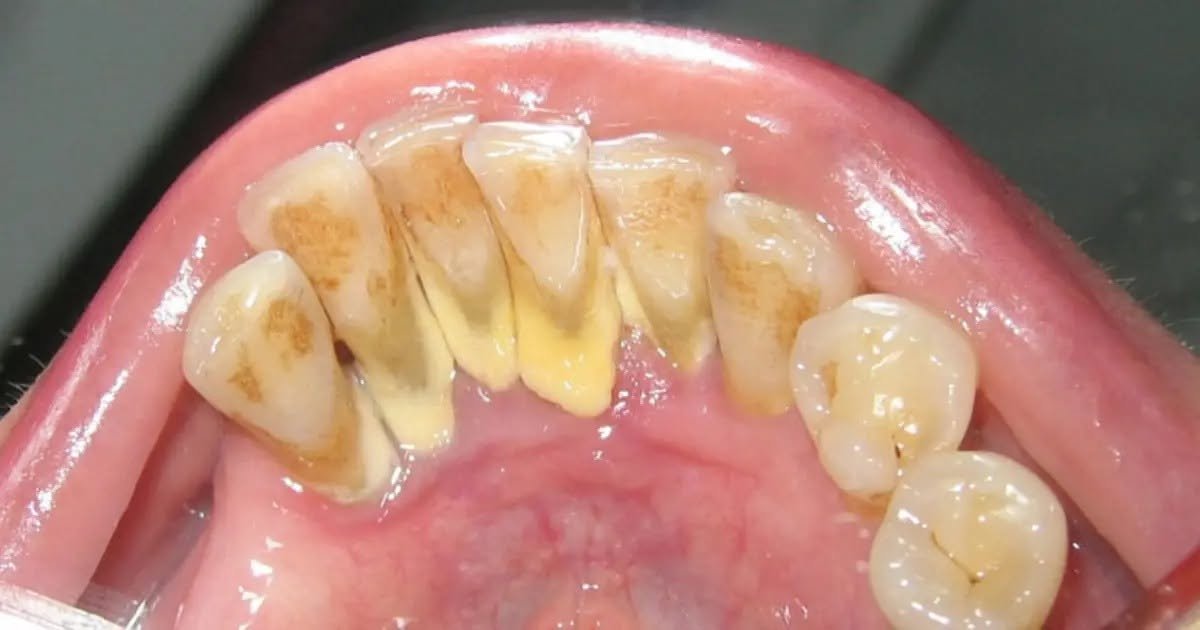
From a dental and microbiological standpoint, dental plaque is not just a sticky film; it is a complex, living ecosystem (a biofilm) composed of millions of bacteria, food particles, and saliva proteins. If left unmanaged, it hardens into calculus (tartar) that only a dental professional can remove.
Here is what actually works naturally to manage dental plaque, and which viral hacks are best left in the sink:
The Biological Reality of Plaque Control
Plaque forms continuously. Bacteria feed on the sugars in your food, multiply, and secrete a sticky extracellular matrix that anchors them firmly to your tooth enamel. Because plaque is physically anchored and structurally organized, you cannot dissolve it away magically with a drink or a rinse; you have to mechanically disrupt it.
Here is what the evidence shows regarding natural and at-home plaque management:
-
Mechanical Disruption (The Unbeatable Gold Standard):
-
What Works: Regular, thorough brushing and flossing are, by definition, the ultimate natural defense. They don’t require fancy chemical agents—just physical friction. Using a soft-bristled toothbrush (manual or electric) and dental floss or interdental brushes physically tears down the bacterial biofilm before it has a chance to mineralize into rock-hard tartar.
-
-
Oil Pulling (Traditional Ayurvedic Practice):
-
What Works: Swishing organic coconut, sesame, or sunflower oil in your mouth for 10 to 15 minutes (oil pulling) is an ancient practice that has seen a massive modern revival. Scientifically, studies show that the lauric acid in coconut oil possesses natural antimicrobial and anti-inflammatory properties. While it does not replace brushing, oil pulling can significantly reduce total bacterial counts in the mouth, lower inflammation in the gums, and help slow down new plaque formation.
-
-
Green Tea Rinses (Polyphenol Protection):
-
What Works: Drinking green tea or using it as a natural mouth rinse introduces high levels of catechins (antioxidants) into your oral cavity. Research suggests that green tea polyphenols can inhibit the growth of specific plaque-forming bacteria and reduce acid production, supporting overall gum and enamel health.
-
The Viral “Natural” Hacks to Approach with Caution
-
The Baking Soda Scrub (Use Carefully): Baking soda is mildly abrasive and naturally alkaline, which helps neutralize oral acids and scrub away surface stains. However, do not scrub aggressively or daily with raw baking soda; its abrasiveness can slowly wear away your protective tooth enamel, making teeth more sensitive and eventually exposing the yellower dentin underneath.
-
Lemon Juice and Apple Cider Vinegar Rinses: Internet hacks often suggest swishing with apple cider vinegar or lemon juice to “whiten teeth and kill bacteria.” Dermatologists and dentists strongly advise against this. These acids are intensely corrosive to tooth enamel. Bathing your teeth in pure acid softens the enamel instantly, leading to rapid erosion and severe sensitivity.
-
Activated Charcoal: While charcoal powders are marketed as a natural whitening fix, many formulations are highly abrasive and can micro-scratch enamel while trapping dark particles in microscopic cracks in your gums.
The Bottom Line
When it comes to dental plaque, nature doesn’t offer a magic eraser potion. The most effective “natural” routine is a disciplined mechanical defense: daily flossing to clean the spaces your toothbrush can’t reach, gentle brushing with a fluoride or high-mineral toothpaste to strengthen enamel, and perhaps an adjuvant practice like oil pulling or green tea rinsing to keep oral bacteria in check between checkups.
Are you looking to fine-tune your daily dental care routine, or investigating specific natural remedies you’ve seen online?
